New York Business Intelligence

New York's Premier Source for Business Insights

Covering NYC startups, small businesses, finance, real estate, and technology every day. Built for entrepreneurs, founders, and business owners who want to win in New York.

Fresh From NYC's Business Scene

Technology 5 min

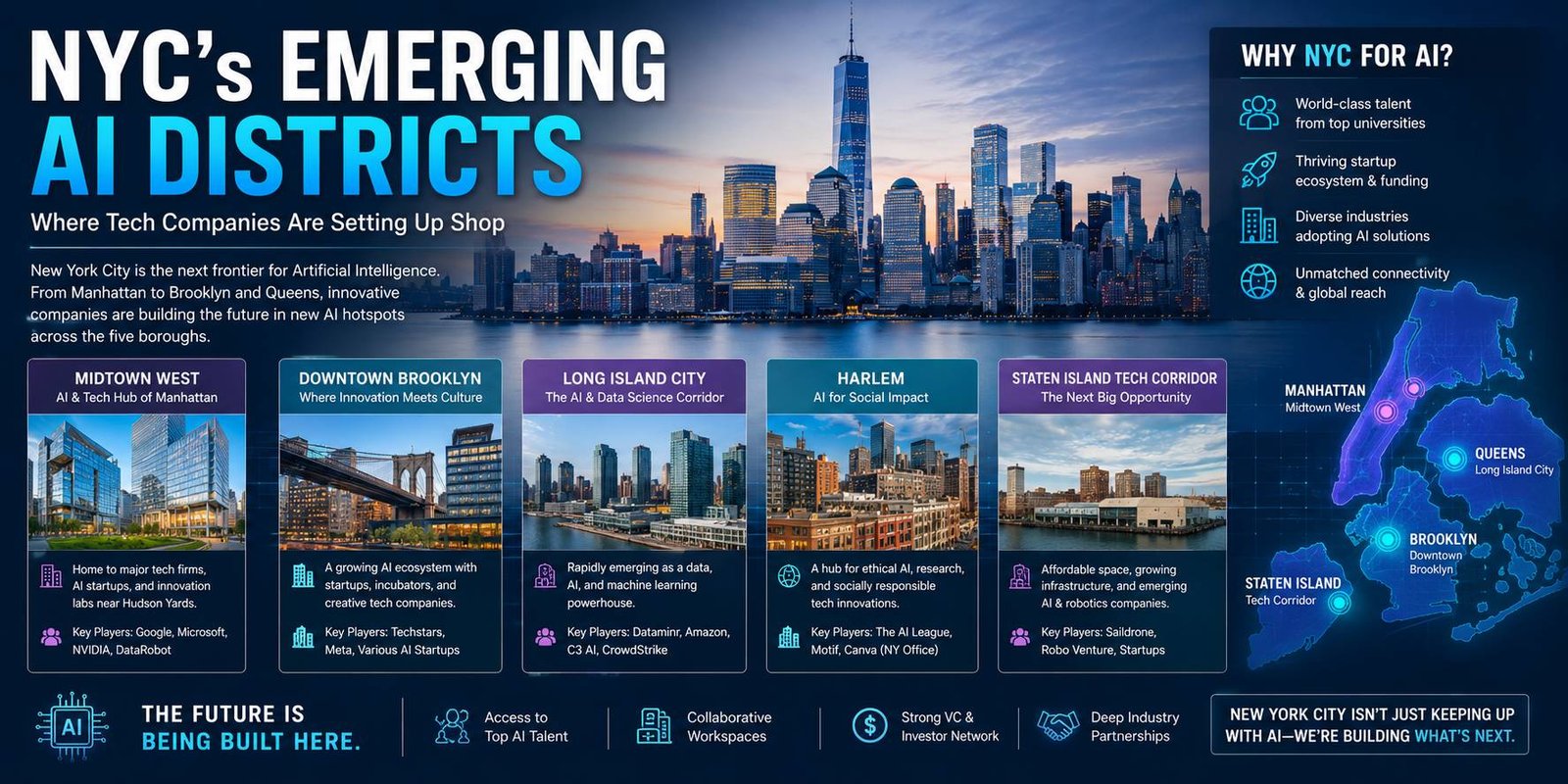
NYC's Emerging AI Districts: Where Tech Companies Are Setting Up Shop

Midtown South and Hudson Square are becoming NYC's new tech corridors as AI companies compete for premium office space close to talent and capital.

Read More
Finance 6 min

Top NYC Fintech Companies Disrupting Traditional Banking in 2026

A new generation of New York fintech firms is offering small businesses faster loans, smarter payments, and better financial tools than traditional banks.

Read More
Real Estate 4 min

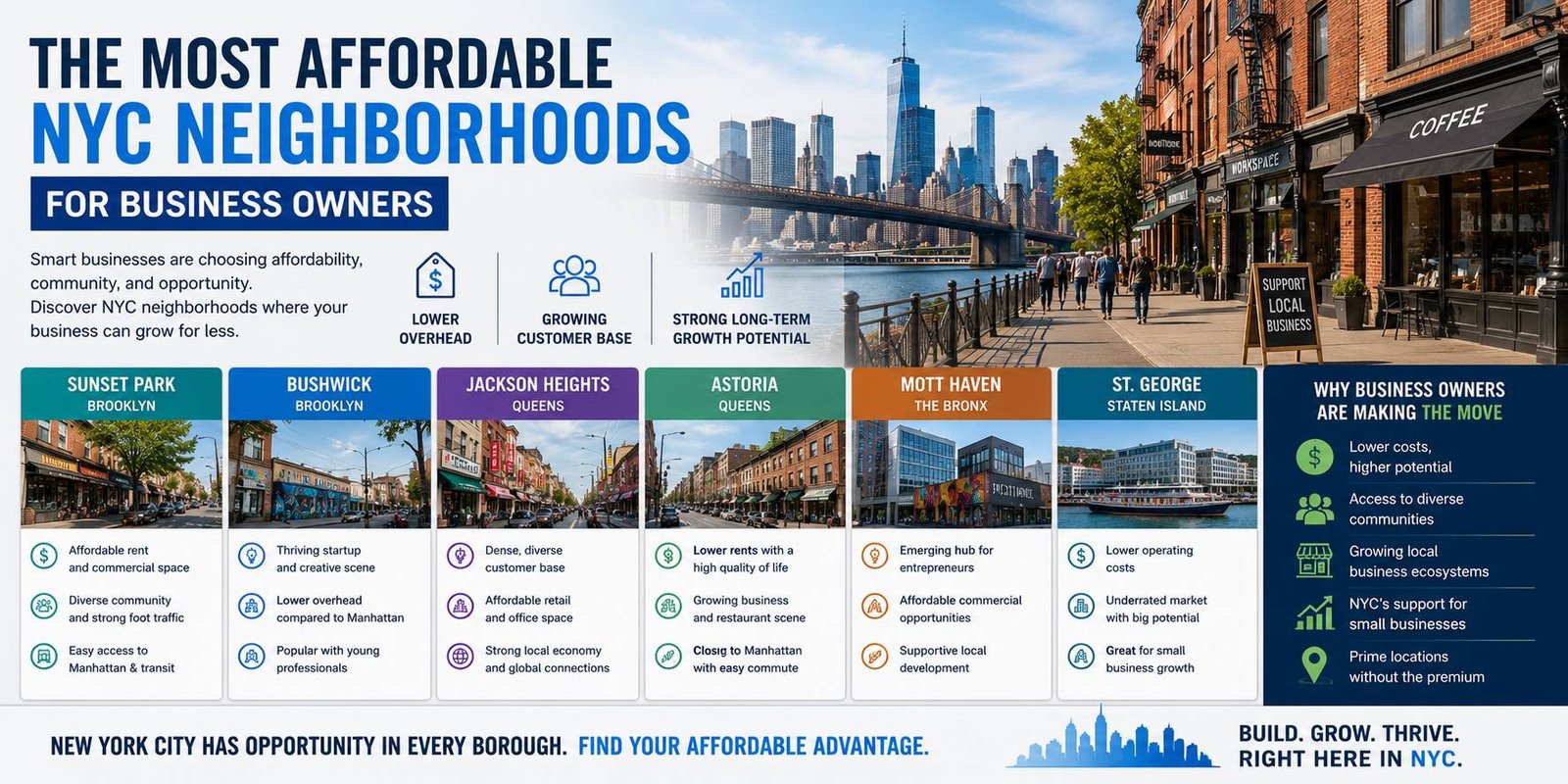
The Most Affordable NYC Neighborhoods for Business Owners in 2026

With Manhattan rents staying elevated, smart business owners are discovering high-value commercial spaces in underpriced Brooklyn and Queens neighborhoods.

Read More
Marketing 7 min

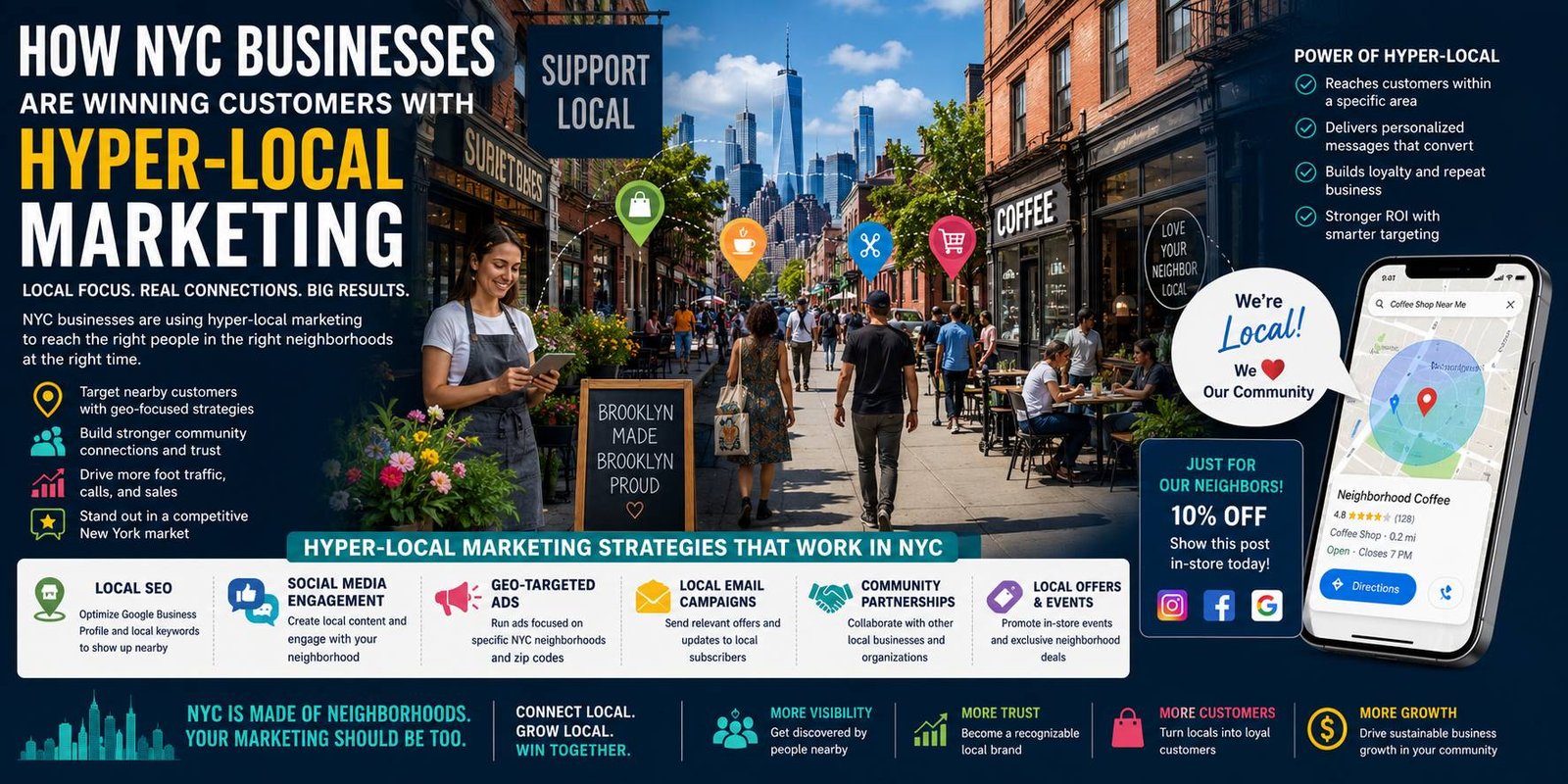
How NYC Businesses Are Winning Customers With Hyper-Local Marketing

The smartest small business owners in New York are abandoning broad ad campaigns and investing in neighborhood-specific marketing strategies that drive real foot traffic.

Read More
Business News 5 min

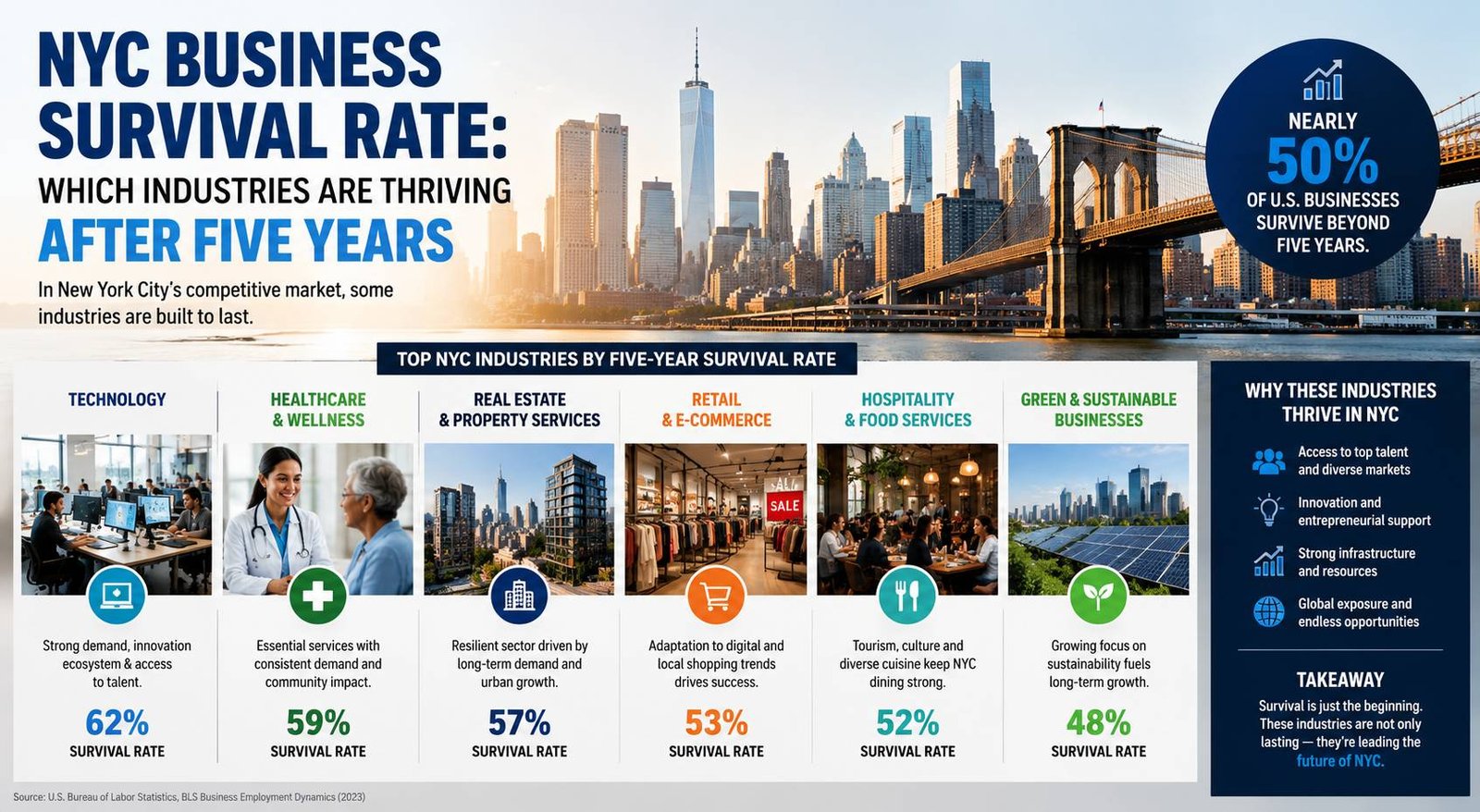
NYC Business Survival Rate 2026: Which Industries Are Thriving After Five Years

Data from the NYC Department of Small Business Services reveals which industry sectors show the strongest long-term survival rates and why new entrants are succeeding.

Read More
Entrepreneurship 6 min

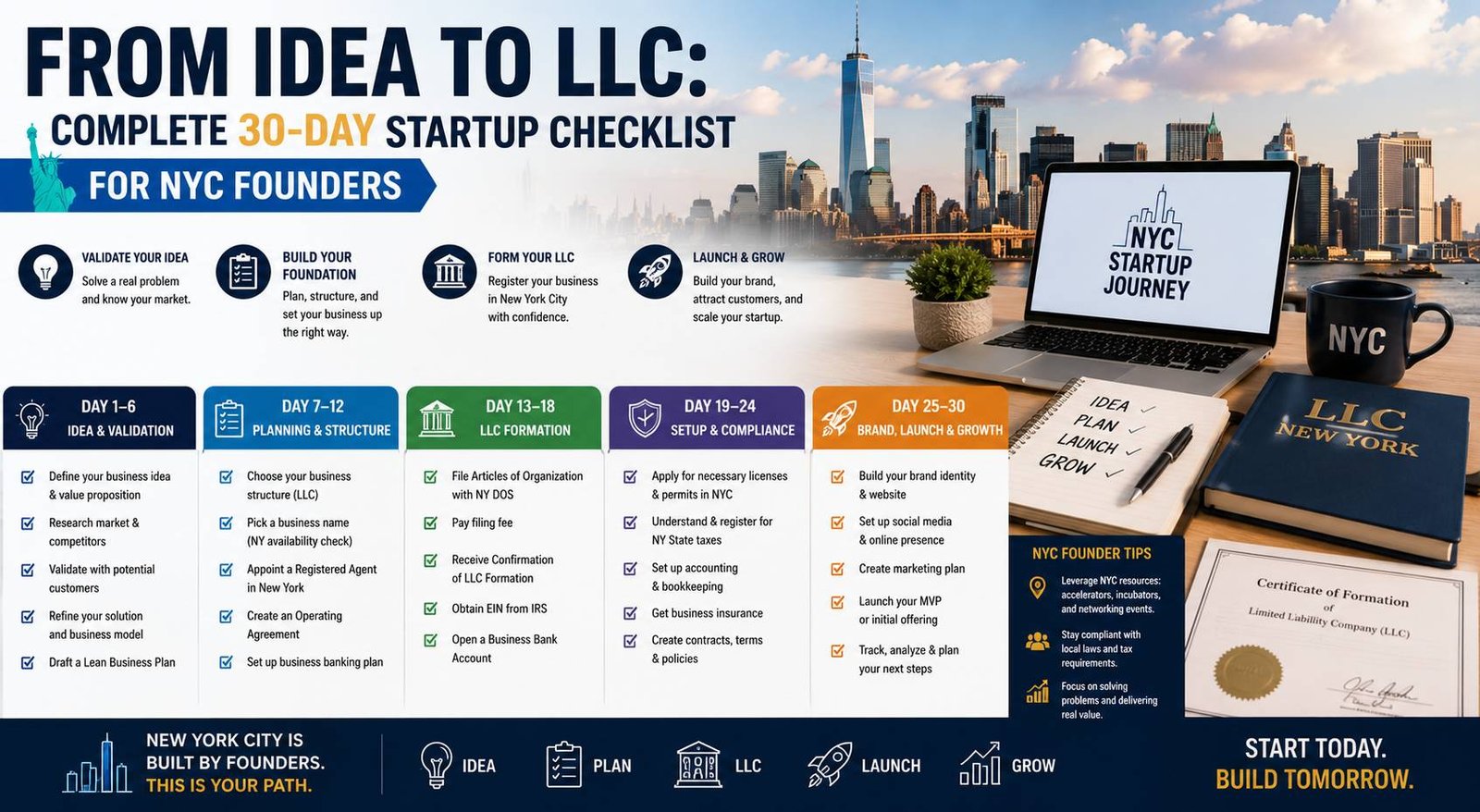
From Idea to LLC: Complete 30-Day Startup Checklist for NYC Founders

Everything a first-time founder needs to do in New York during the first 30 days, from business structure to bank account to first customer acquisition.

Read More
Guides 9 min

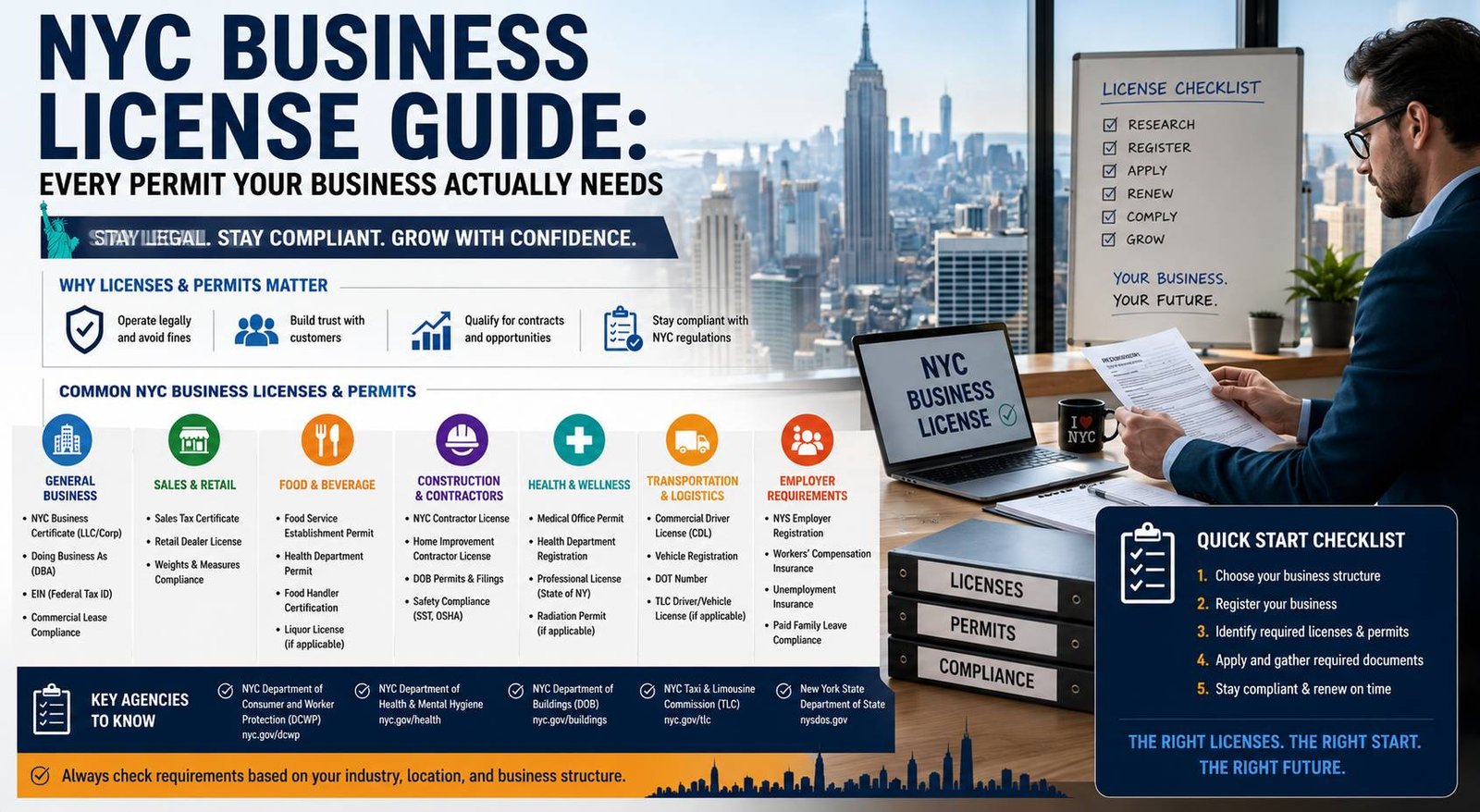
NYC Business License Guide 2026: Every Permit Your Business Actually Needs

Navigating NYC's licensing requirements is one of the most confusing parts of starting a business. This complete guide covers every permit by industry type and borough.

Read More
Funding 7 min

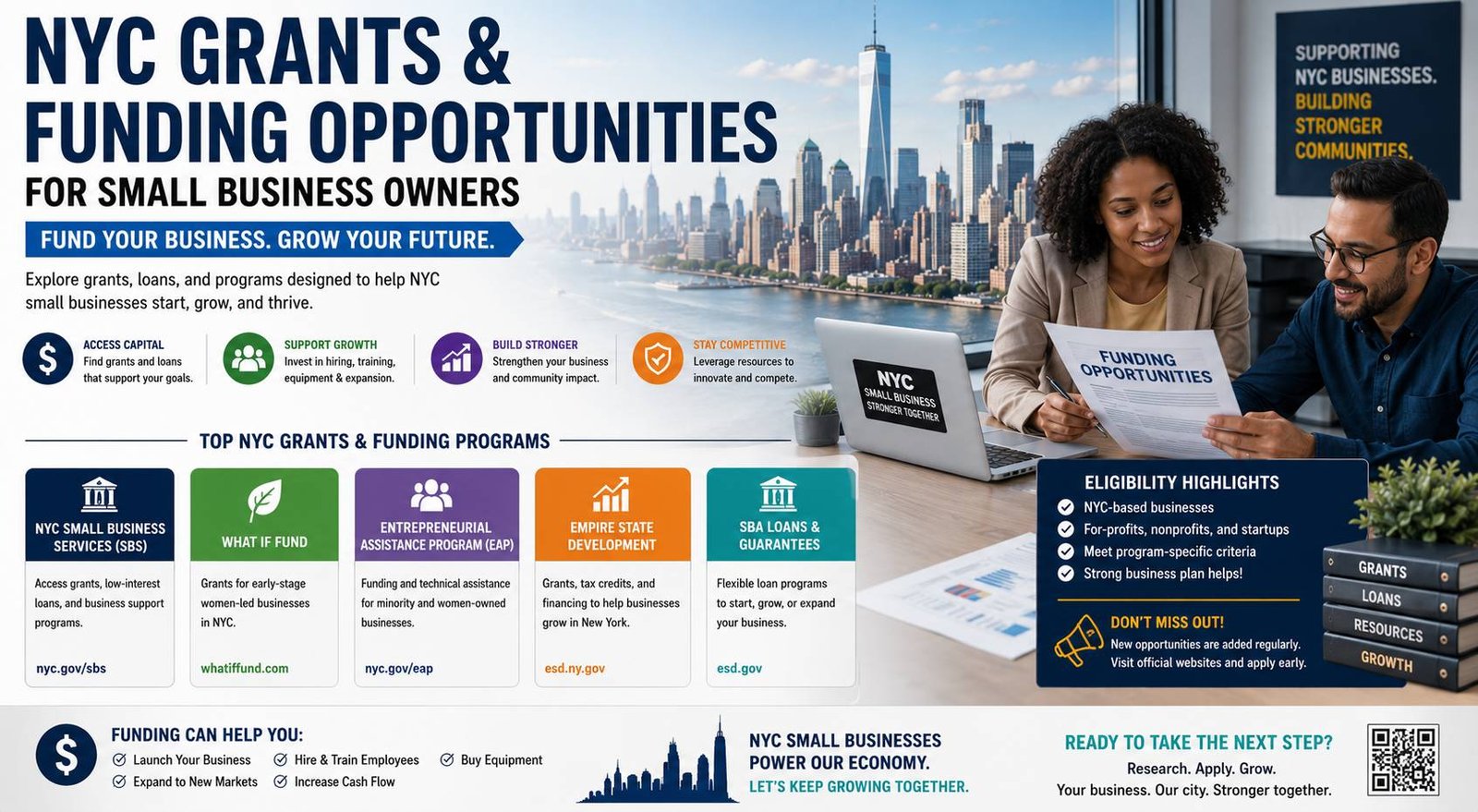
NYC Grants and Funding Opportunities for Small Business Owners in 2026

City, state, and federal grant programs available right now for New York small business owners, including sector-specific funding and minority-owned business programs.

Read More

Everything New York Business, Organized for You

Find expert coverage across every major category that matters to NYC business owners and entrepreneurs.

📰

Business News

Daily coverage of New York City business news, market movements, corporate announcements, and economic developments affecting the five boroughs.

Explore Business News
🚀

Startups and Entrepreneurship

In-depth coverage of NYC's startup ecosystem, founder stories, funding rounds, accelerator news, and the resources every New York entrepreneur needs.

Explore Startups
🏭

Small Business and Local Growth

Practical insights for New York small business owners covering operations, staffing, customer acquisition, and neighborhood-level growth strategies.

Explore Small Business
🙋

Marketing and Branding

Smart marketing strategies designed for the NYC market, from digital advertising and social media to branding, PR, and building a loyal local customer base.

Explore Marketing
💷

Finance and Funding

Everything about business financing in New York: SBA loans, venture capital, angel investment, grants, credit lines, and financial planning for NYC businesses.

Explore Finance
🏠

Real Estate and Commercial Space

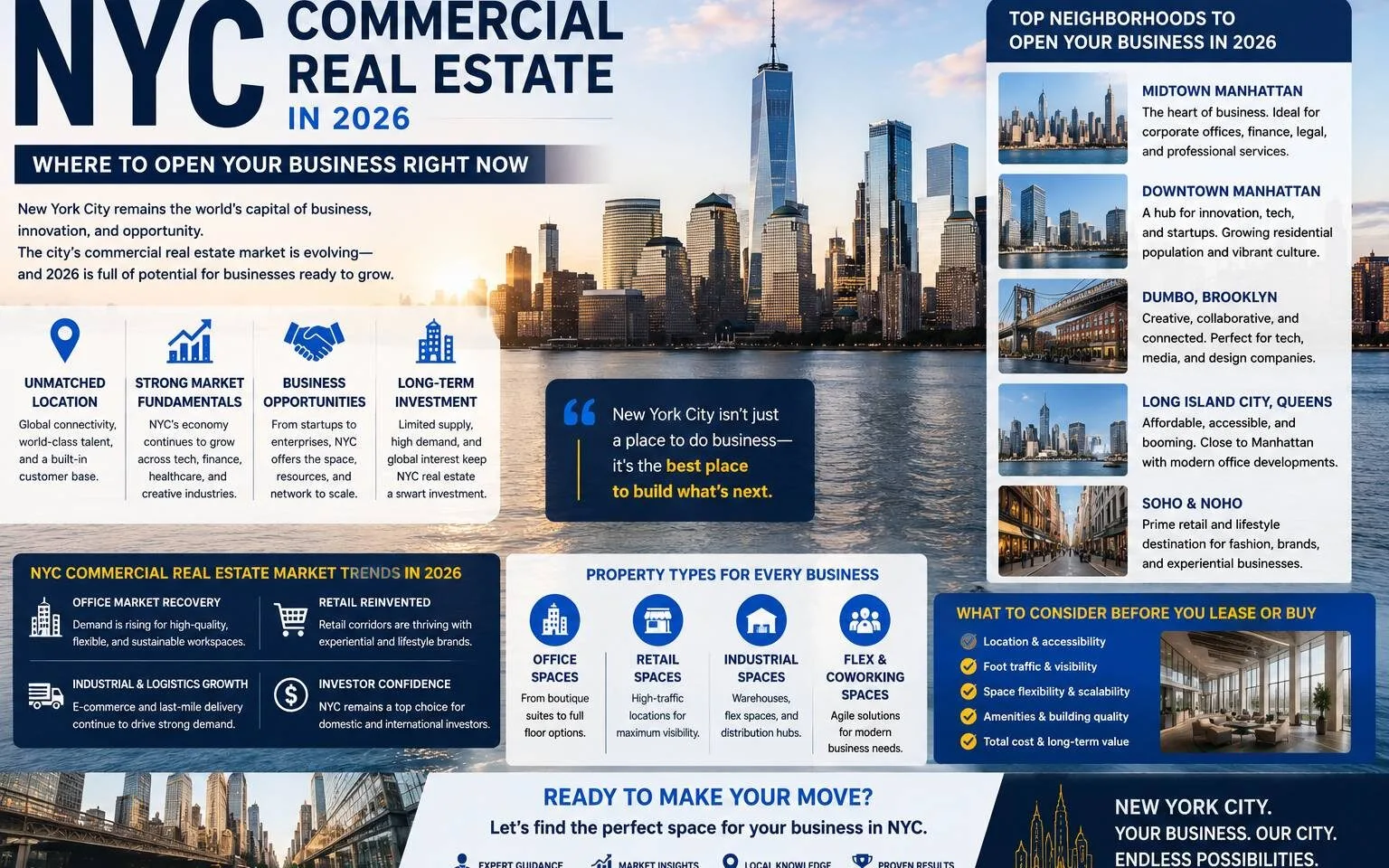
NYC commercial real estate insights including office space trends, retail leasing, co-working options, lease negotiation tips, and borough-by-borough market analysis.

Explore Real Estate
💻

Technology and Innovation

Coverage of NYC's fast-growing tech sector, AI adoption, software tools, digital transformation, and how New York businesses are leveraging technology for competitive advantage.

Explore Technology
📚

Guides and Resources

Step-by-step business guides for New York: how to register a business, obtain permits, find funding, hire employees, and navigate the NYC business environment with confidence.

Explore Guides

New to NYC Business? Begin Here

Our most essential guides for entrepreneurs launching or growing a business in New York City.

01

How to Register an LLC in New York State

A complete walkthrough of forming an LLC in New York, including Articles of Organization, publication requirements, operating agreements, and EIN registration with the IRS.

Read the Guide
02

NYC Business License and Permit Guide 2026

Every license, permit, and certificate your New York City business may need, organized by industry type and borough, with direct links to the official application portals.

Read the Guide
03

Startup Funding in NYC: A Complete Beginner's Guide

From bootstrapping to venture capital, this guide covers every funding path available to New York entrepreneurs, including local grants, angel networks, and accelerator programs.

Read the Guide
04

How to Find the Right Commercial Space in New York City

A practical guide to renting office, retail, or warehouse space in NYC, covering lease types, negotiation tactics, hidden costs, and the best neighborhoods for your business type.

Read the Guide

Business Insights by Borough

New York is five unique cities in one. We cover business across all boroughs with the local detail that matters.

🏛
Manhattan

Finance, media, corporate headquarters, luxury retail, and the world's densest concentration of business opportunity.

85,000+ businesses
🎉
Brooklyn

Creative industries, tech startups, food businesses, independent retail, and the fastest-growing entrepreneurial community in New York.

72,000+ businesses
🏠
Queens

Manufacturing, food culture, international trade, healthcare, and one of the most diverse small business ecosystems on the planet.

61,000+ businesses
🚀
The Bronx

Emerging entrepreneurship, healthcare, food distribution, and one of NYC's most exciting boroughs for affordable business space.

28,000+ businesses
🋔
Staten Island

Construction, logistics, retail, and a growing professional services sector with strong connections to both New York and New Jersey markets.

18,000+ businesses

New York Business: The Stats That Matter

Understanding the scale and opportunity of the New York City business economy in 2026.

$2.1T
NYC Metro GDP
One of the largest urban economies in the world, ranking among the top five globally
240K+
Registered Businesses
Active businesses operating across the five boroughs of New York City
9K+
Active Startups
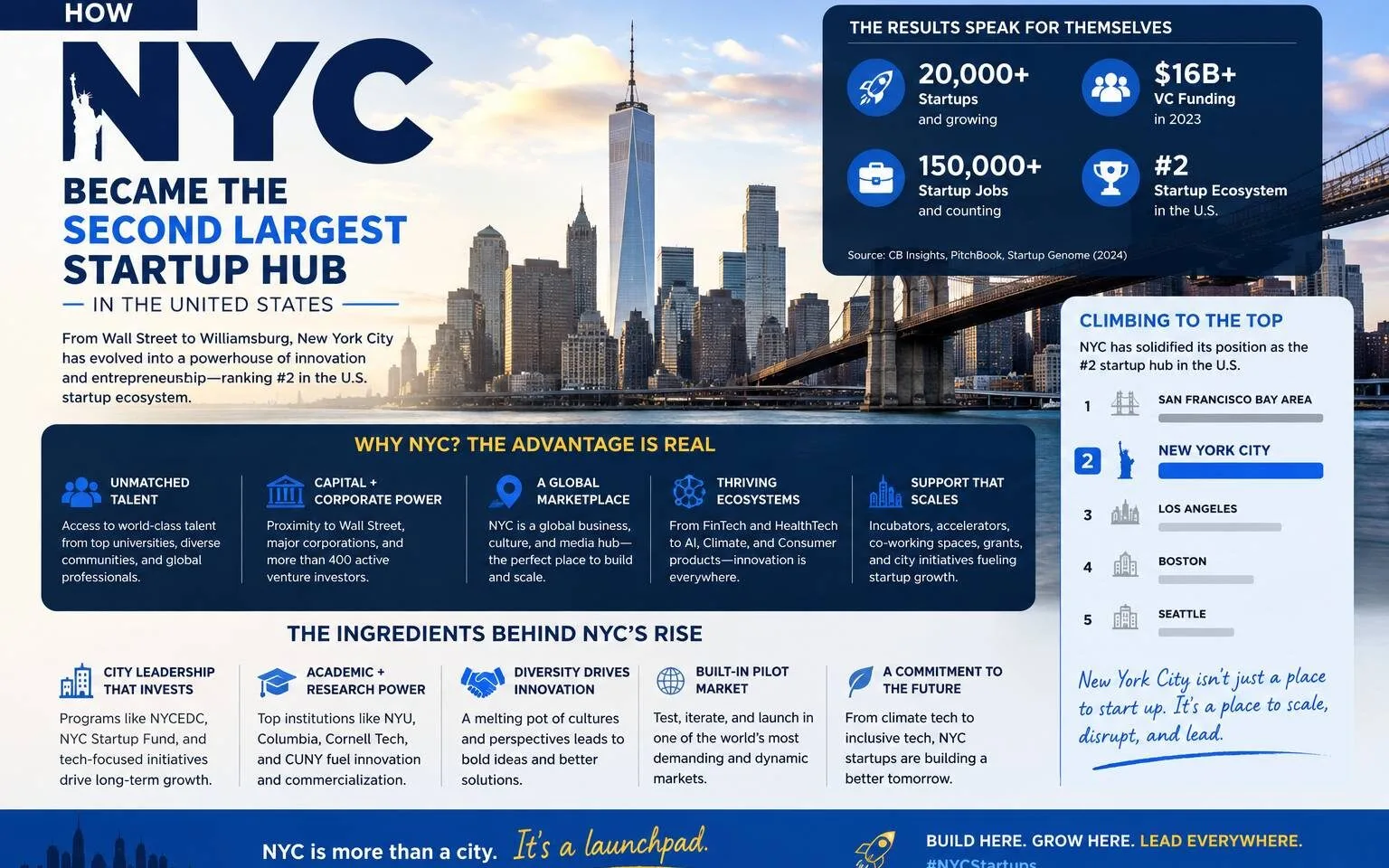
NYC ranks as the second largest startup hub in the United States after Silicon Valley
$18B+
Annual VC Investment
Venture capital deployed into New York startups and growth-stage companies each year
4.7M
Private Sector Jobs
Employment across finance, technology, healthcare, media, retail, and professional services
180+
Countries Represented
NYC's workforce represents more nationalities than any other city, fueling world-class business diversity

New York's Dedicated Business Intelligence Platform

BizNY is built for New York. We are an independent business media platform dedicated exclusively to covering the people, companies, ideas, and industries that power one of the world's greatest economies. From Wall Street to Flushing, from DUMBO to the South Bronx, we believe every corner of New York City deserves serious business coverage.

Our editorial team produces original reporting, practical guides, and in-depth analysis for entrepreneurs, founders, small business owners, investors, and professionals navigating the New York business environment. We do not have a corporate parent or an advertising agenda. We exist to serve the business community of New York City with trustworthy, actionable content.

Whether you are launching your first LLC, scaling a startup through Series A, or running a multi-decade family business in Queens, BizNY is built to be your most useful daily resource. We cover the business topics that matter most in New York and deliver them with the clarity and depth that the city's entrepreneurs deserve.

New York Business Landscape in 2026

New York City in 2026 stands as one of the most dynamic and resilient business environments on the planet. After navigating extraordinary disruption across the past several years, the five boroughs have emerged with a transformed economy that is simultaneously more diverse, more technology-driven, and more globally connected than at any point in the city's long commercial history.

Understanding the shape of New York's business landscape in 2026 is essential for any entrepreneur, investor, or business owner who wants to compete intelligently in this market. The opportunities are extraordinary, but so are the challenges, and success depends on knowing the terrain before you take a step.

NYC Economy Overview in 2026

The New York City metropolitan area generates a gross domestic product of approximately $2.1 trillion, placing it among the top five urban economies in the world alongside London, Tokyo, Los Angeles, and Paris. This output is produced by an extraordinarily diverse economic base that spans financial services, technology, healthcare, media, real estate, hospitality, education, and professional services.

Private sector employment in New York City has not only recovered from the shocks of the early 2020s but now sits at historic highs, with roughly 4.7 million private sector jobs across the five boroughs. The unemployment rate in New York City has fallen to competitive levels by national standards, creating a tight labor market that presents challenges for employers while signaling the underlying strength of economic demand.

Consumer spending in New York remains one of the highest per capita of any major city in the United States. The combination of high average household incomes in neighborhoods like the Upper East Side, Tribeca, and Park Slope with the massive volume of domestic and international tourism, which brings roughly 60 million visitors to NYC annually, creates a consumer demand engine that few other cities can match.

New York City is home to more Fortune 500 corporate headquarters than any other American city, with 57 major corporations listing New York as their primary base of operations in 2026.

Key Industries Driving New York's Growth

Financial services remain the foundational industry of the New York economy. Wall Street institutions, commercial banks, hedge funds, private equity firms, insurance companies, and an exploding fintech sector together employ hundreds of thousands of New Yorkers at wages far above the city average. The financial services sector alone accounts for roughly 30 percent of New York City's total economic output.

Technology has become New York's second pillar. The city now ranks as the second-largest technology hub in the United States, with a concentration of AI companies, software firms, enterprise technology providers, and digital media businesses that rivals any market in the world outside Silicon Valley. Hudson Square, the Flatiron District, and Midtown South have evolved into dense technology corridors where global companies and ambitious startups compete for the same talent pools.

Healthcare and life sciences represent a fast-growing third pillar, with major hospital systems, pharmaceutical companies, medical device manufacturers, and digital health startups collectively employing over 400,000 people in the New York metro area. The intersection of healthcare and technology has produced a robust healthtech startup ecosystem centered in areas like East Harlem and Long Island City.

Media, advertising, and creative industries continue to define New York's cultural identity and economic character. The city remains the undisputed global capital of advertising, publishing, fashion, and entertainment. The growth of digital media has expanded this sector, with newsletter companies, podcast studios, streaming services, and influencer agencies all finding New York to be the ideal base for audience-driven businesses.

Opportunities for Businesses in New York

The single greatest opportunity for businesses operating in New York City in 2026 is access to the world's most sophisticated consumer and enterprise market. Whether you are selling coffee in Williamsburg, software to Manhattan banks, or consulting services to Queens manufacturers, the depth of the New York market provides growth potential that simply does not exist at the same scale in smaller cities.

The availability of talent is a second major structural advantage. New York City draws graduates from over 100 universities in the metro area, attracts skilled professionals from across the United States, and receives a constant flow of internationally trained workers who are among the most ambitious and capable in the world. Building a talented team in New York is competitive but possible in a way that it simply is not in most other markets.

Access to capital is a third defining opportunity. New York City investors deploy more than $18 billion in venture capital annually. The city's angel investor community is one of the most active in the world. Small business lending through community development financial institutions, credit unions, and SBA lenders is extensive. Whatever stage of business growth you are in, the capital to fuel that growth exists in New York in abundance.

Challenges Facing NYC Businesses in 2026

The same density and dynamism that makes New York so attractive also creates formidable challenges. Commercial real estate costs remain among the highest in the world. A modest retail storefront in a desirable Manhattan neighborhood can require $8,000 to $20,000 per month in base rent before triple net costs are factored in. Even in outer boroughs, commercial rents have risen substantially as businesses seek more affordable alternatives to Manhattan.

Regulatory complexity is another persistent challenge. New York City has its own layer of licensing, permitting, and compliance requirements that sit on top of state and federal obligations. Navigating these requirements for a new food service business, a professional services firm, or a retail operation requires either deep familiarity with the regulatory landscape or the assistance of professionals who have it.

Labor costs are high and rising. New York's minimum wage now exceeds $16 per hour, and in most competitive industries the effective floor for entry-level professional workers is considerably higher. Benefits, payroll taxes, and workers compensation insurance add substantially to labor costs, making workforce planning a critical discipline for businesses of all sizes.

Why New York City Remains the Ultimate Business Hub

Despite all of these challenges, New York City retains its position as the premier business destination in the United States and one of the top business environments in the world for one simple reason: the concentration of opportunity, talent, capital, customers, and infrastructure in a single metropolitan area is unmatched. The network effects of being in New York, where a single conversation at a business event can lead to a partnership, an investment, or a customer relationship worth millions, continue to reward those who commit to building their business in the city.

BizNY exists to help you take full advantage of everything New York has to offer. Our coverage gives you the market intelligence, practical guidance, and community connection to build something extraordinary in the most exciting business city on earth.

How to Start and Grow a Business in New York

Starting a business in New York City is one of the most exciting and demanding entrepreneurial challenges you can take on. The opportunity is real, the market is massive, and the infrastructure for business success is extraordinary. But the process of getting a business off the ground in New York requires navigating specific legal, financial, and operational requirements that differ meaningfully from most other states and cities. This guide walks you through every essential step.

Step 1: Choose the Right Business Structure

The first decision every New York entrepreneur must make is what legal structure their business will take. The most common options are a sole proprietorship, a limited liability company, a corporation, or a partnership. Each has different implications for taxes, liability protection, and administrative burden.

For most small businesses and startups in New York, the Limited Liability Company is the most practical starting point. An LLC provides personal liability protection, meaning your personal assets are generally protected if the business faces a lawsuit or debt obligation. It offers pass-through taxation, meaning business income is reported on your personal tax return rather than taxed at the corporate level first. And it is relatively simple and inexpensive to form and maintain compared to a corporation.

Businesses that plan to raise venture capital or issue equity to many shareholders typically choose to incorporate as a C-Corporation in Delaware, even if they operate primarily in New York, because Delaware corporate law is the standard expected by institutional investors. A qualified business attorney can help you choose the right structure based on your specific goals and growth plans.

Step 2: Register Your Business in New York

To form an LLC in New York State, you file Articles of Organization with the New York Department of State. The filing fee is $200. New York has a unique publication requirement that many entrepreneurs find unexpected: after forming your LLC, you must publish a notice of formation in two newspapers designated by the county clerk in the county where the LLC's office is located. This requirement must be completed within 120 days, and the cost varies significantly by county. In Manhattan, publication can cost $1,500 or more. In outer boroughs it is typically less expensive.

Once your LLC is formed, you need to obtain an Employer Identification Number from the IRS, which you can do for free at irs.gov. Even if you have no employees, an EIN is required to open a business bank account and for many licensing applications. You should also open a dedicated business bank account immediately to maintain the separation between personal and business finances that is essential for protecting your limited liability status.

If you are forming a corporation, you file a Certificate of Incorporation with the New York Department of State. You will also need to create corporate bylaws, appoint a board of directors, hold an organizational meeting, and issue stock. These additional steps make incorporating more complex than forming an LLC, and professional legal assistance is typically worthwhile.

Step 3: Licenses, Permits, and Compliance

New York City has its own layer of licensing requirements that operates independently of state-level requirements. The type of license you need depends entirely on your industry. The NYC Business Express portal at businessexpress.nyc.gov allows you to enter your business type and location and receive a complete list of required permits and licenses, which is the most reliable way to identify your specific obligations.

Food service businesses require a Food Service Establishment permit from the NYC Department of Health and Mental Hygiene, and the inspection and approval process can take several weeks. General contractors and home improvement businesses must be licensed with the NYC Department of Consumer and Worker Protection. Childcare facilities, healthcare providers, legal professionals, financial advisors, and many other professions have their own state and city licensing requirements.

New York businesses that collect sales tax must register for a Certificate of Authority with the New York State Department of Taxation and Finance. New York City also imposes a city-specific business tax, and businesses must file both state and city returns. Working with a New York-based accountant from the beginning will save you significant money and compliance risk.

Step 4: Understanding the True Cost of Doing Business in NYC

One of the most important preparation steps for any new NYC business is building a realistic financial model that accounts for the true costs of operating in this market. Many first-time entrepreneurs underestimate the expense and run into serious cash flow problems in their first year.

Space is often the largest fixed cost. A small retail storefront in a good location can cost $5,000 to $20,000 per month or more depending on neighborhood and square footage. Commercial office space in Midtown Manhattan runs $80 to $150 or more per square foot annually. Co-working memberships offer a more flexible and affordable alternative, with desks available from $300 to $800 per month at major providers across the city.

Labor is the other major cost driver. New York's minimum wage requirements, combined with the competitive labor market across most professional fields, means payroll costs are substantial. Factor in health insurance, which NYC employers are often expected to provide, payroll taxes, workers compensation insurance, and paid leave requirements, and your true cost per employee is often 30 to 40 percent above the base salary figure.

Step 5: Marketing and Growing Your Brand in New York

New York City is a loud, crowded, competitive marketplace where simply being good at what you do is not enough to generate automatic visibility. Thoughtful, consistent marketing investment is essential from the first day you open your doors or launch your product.

Local SEO is one of the highest-return investments for most NYC businesses. Getting your Google Business Profile fully optimized, consistently earning positive reviews, and publishing locally relevant content on your website can drive a steady stream of customers who are actively looking for what you offer in your specific area of the city.

Social media, particularly Instagram, TikTok, and LinkedIn depending on your audience, plays a significant role in NYC consumer and business-to-business markets. The visual density of New York provides natural content opportunities, and businesses that document their story, their neighborhood connection, and their team authentically tend to build loyal followings that translate into real revenue.

Pro Tips From Experienced NYC Business Owners

Join your local Business Improvement District. BIDs exist across New York City and provide marketing support, networking opportunities, and advocacy for businesses in specific commercial corridors. They are free to participate in for area businesses and often provide more value than the cost of joining paid organizations.

Connect with the NYC Small Business Services agency. SBS offers free business courses, legal workshops, marketing assistance, and one-on-one business counseling through their network of NYC Business Solution Centers located in every borough. Taking advantage of these free resources can save you thousands of dollars in consulting fees.

Build relationships before you need them. New York rewards people who invest in genuine relationships with other business owners, potential investors, suppliers, and customers before there is an immediate transaction on the table. The city's business community is large but surprisingly well-connected, and your reputation travels faster than you might expect.

Opportunities in NYC Startups, Technology, and Small Business Growth

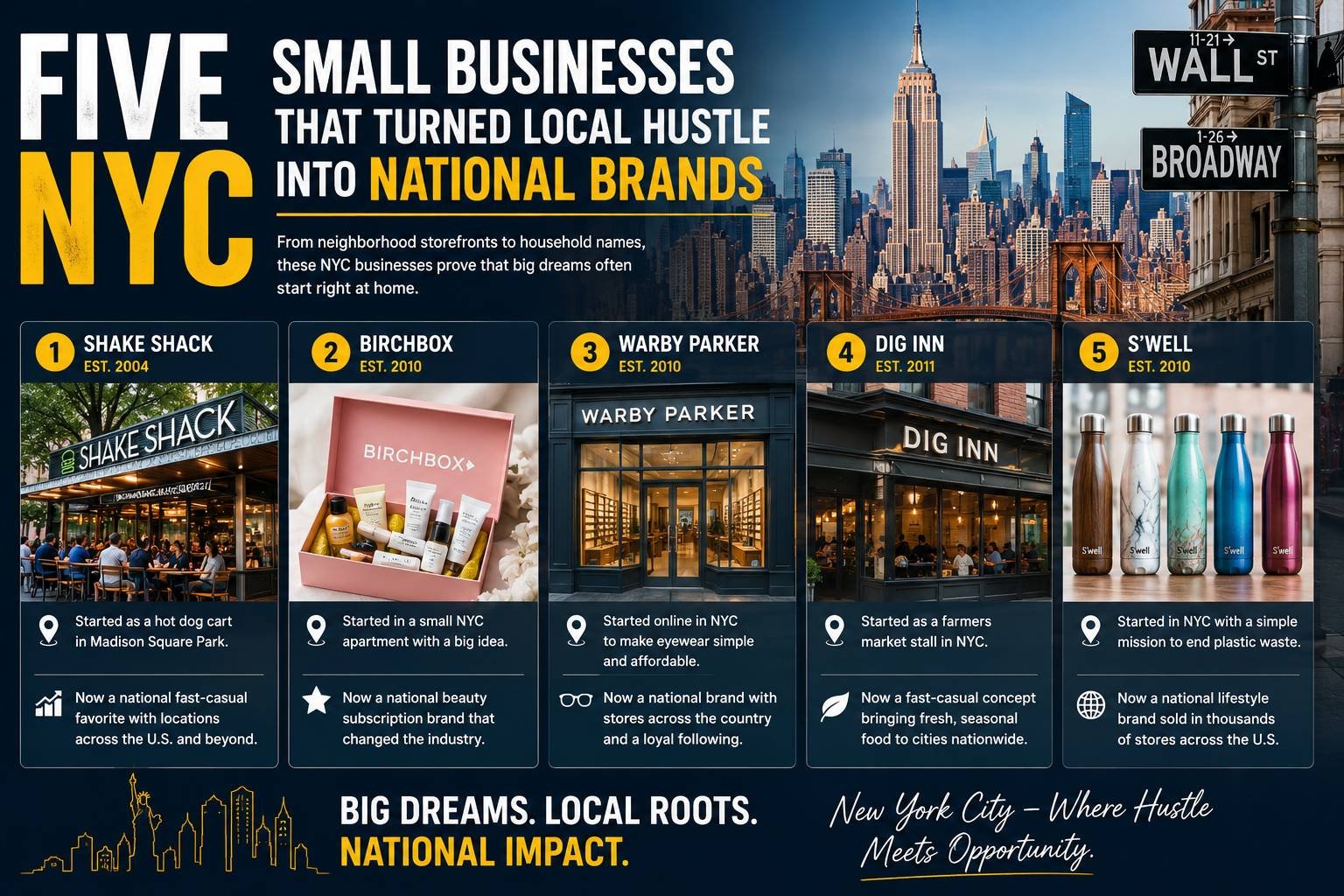
New York City has evolved from a place where startups happened to survive into a city where they are built to thrive. The combination of deep capital markets, extraordinary talent density, a sophisticated enterprise customer base, and a culture that has come to genuinely embrace entrepreneurship has made New York City one of the most compelling places in the world to build a company, whether you are raising venture capital or bootstrapping a neighborhood business from scratch.

NYC's Startup Ecosystem in 2026

The New York City startup ecosystem has matured significantly over the past decade and now operates at a scale that places it firmly in the top tier of global innovation hubs. The city is home to more than 9,000 active startups, spanning every sector from financial technology and artificial intelligence to fashion technology, food delivery, media, healthcare, and climate solutions.

The infrastructure supporting these startups is extensive. New York has over 40 active accelerator and incubator programs, including highly regarded organizations like ERA (Entrepreneur Roundtable Accelerator), Techstars NYC, NYU Endless Frontier Labs, and the Cornell Tech Startup program on Roosevelt Island. These programs provide not just funding but mentorship networks, customer introductions, and credibility that significantly improve a startup's early trajectory.

The venture capital presence in New York has grown consistently. Firms like Union Square Ventures, Bessemer Venture Partners, Greycroft, Lerer Hippeau, and Primary Venture Partners are based in or have major operations in New York, and their investment activity keeps a steady flow of growth capital moving through the ecosystem. Seed-stage companies in New York raised over $2 billion in 2025, and early-stage activity remains robust across sectors.

New York City is now home to more than 20 startup unicorns, companies valued at over $1 billion, with concentration in fintech, enterprise software, real estate technology, and media platforms.

Artificial Intelligence and Technology Transforming NYC Business

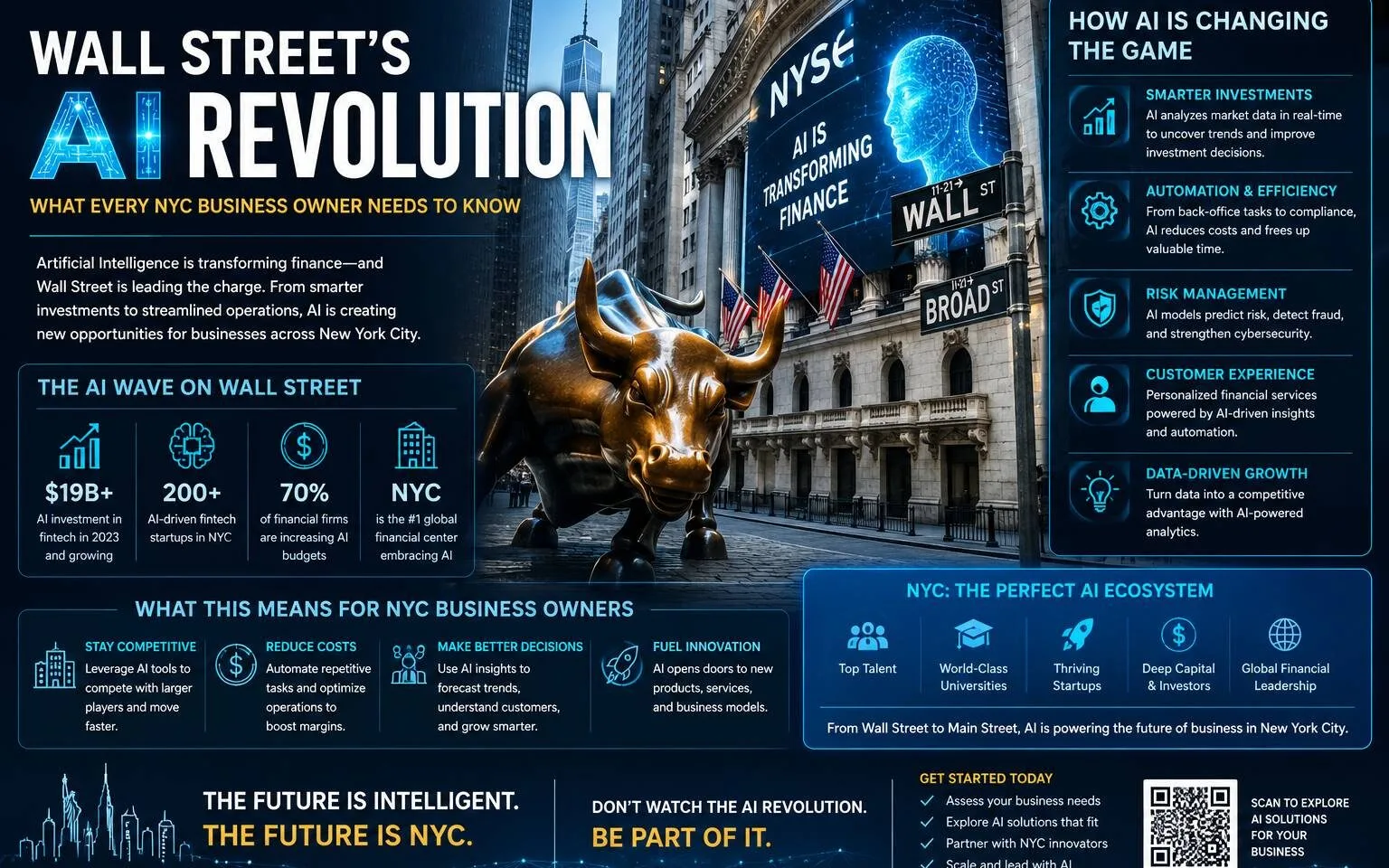
Artificial intelligence is reshaping New York City's business landscape at a pace that is accelerating rather than slowing. The impact is visible across every major industry sector, and the implications for both existing businesses and new entrants are profound.

In financial services, AI is being deployed for algorithmic trading, credit risk assessment, fraud detection, customer service automation, and regulatory compliance. The efficiency gains are massive, and the firms that have moved fastest to integrate AI into their operations are gaining competitive advantages that are becoming increasingly difficult for slower movers to close.

In healthcare, New York's medical institutions are using AI for diagnostic imaging analysis, drug discovery acceleration, patient outcome prediction, and operational efficiency. Several NYC health systems are among the national leaders in AI adoption, and a growing cluster of healthtech startups is building tools specifically designed for the New York healthcare market.

For small businesses and retailers, AI is becoming accessible through affordable software tools that enable capabilities that were previously available only to large corporations. AI-powered marketing tools can personalize customer communications at scale. AI inventory management systems can reduce waste and improve margins. AI accounting software can automate bookkeeping tasks that once required a dedicated staff member. The democratization of AI technology is one of the most significant business opportunity trends of the current moment.

New York City has also become a hub for AI startup activity in its own right. Companies building AI tools for enterprise clients, creative industries, healthcare, legal services, and financial analysis have found New York to be an ideal base, with direct access to the enterprise customers who are the most natural buyers of their products.

Investment and Funding Landscape for NYC Businesses

The funding landscape for New York businesses spans from municipal grant programs that provide a few thousand dollars to venture capital rounds that inject hundreds of millions. Understanding which funding sources are appropriate for your stage and business model is one of the most important strategic questions a founder or business owner must answer.

For the earliest stage businesses, the NYC Economic Development Corporation and NYC Small Business Services both administer grant programs targeted at specific communities and industries. These include grants for minority-owned and women-owned businesses, grants for businesses in specific industries like food manufacturing and creative arts, and forgivable loans for businesses committed to operating in underserved neighborhoods.

Small business loans through the Small Business Administration are available through multiple lenders in New York, and the SBA's programs offer favorable rates and terms compared to conventional commercial lending. Community Development Financial Institutions, known as CDFIs, are another important resource, particularly for businesses that may not yet qualify for traditional bank financing.

For startups with high growth potential, the venture capital path is available through a well-organized ecosystem of investors who are actively seeking New York-based opportunities. The key to accessing this capital is building relationships with the relevant investor community before you need the money, demonstrating clear evidence of market demand for your product, and articulating a compelling vision for the scale of business you are building.

Small Business Growth Opportunities in New York City

New York City's small business environment in 2026 is defined by both challenge and genuine opportunity. The challenges are well-documented: high rents, a competitive labor market, regulatory complexity, and the constant pressure of competing in one of the world's most saturated commercial markets. But the opportunities are equally real and are available to business owners who approach the market with intelligence and creativity.

The outer borough opportunity is one of the most significant and underappreciated stories in New York business right now. As commercial rents in Manhattan continue to price out smaller operators, Brooklyn, Queens, the Bronx, and Staten Island are absorbing a generation of entrepreneurs who are building vibrant local business ecosystems in neighborhoods that were underserved by commercial activity just a decade ago. Areas like Ridgewood, Astoria, Crown Heights, Mott Haven, and St. George are generating serious business success stories that would have seemed unlikely fifteen years ago.

The tourism economy continues to provide extraordinary opportunity for businesses that cater to visitors. With 60 million tourists visiting New York annually and spending an average of several hundred dollars per day, businesses positioned to serve this market in hospitality, food and beverage, entertainment, retail, and experiences have access to a customer base that does not require local marketing spend to reach.

How to Position Your Business for Success in New York

The businesses that win in New York City share a set of common characteristics regardless of their industry or size. They know their customer deeply, and they build their entire operation around delivering a specific and excellent experience to that customer. They manage their financial operations with discipline, because the margin for financial error in a high-cost market is thin. They invest in their teams, because in a competitive labor market, the businesses that attract and retain great people consistently outperform those that do not.

They also understand the value of community. New York City rewards businesses that show genuine investment in their neighborhood, their borough, and the broader city ecosystem. The most successful small businesses in New York are often deeply woven into the fabric of their local communities in ways that create loyalty that cannot be replicated by a competitor who simply opens nearby with lower prices.

BizNY is here to support you through every stage of that journey. Our coverage, our guides, and our community exist to give every New York business owner the information and connections they need to build something they are proud of in the greatest city in the world.
Frequently Asked Questions About NYC Business

Answers to the most common questions from New York entrepreneurs and business owners.

To start a business in New York City, choose a business structure such as an LLC or corporation, register with the New York State Division of Corporations, obtain an EIN from the IRS, apply for required city and state licenses through the NYC Business Express portal, and open a dedicated business bank account. NYC Small Business Services also offers free counseling and workshops for new business owners.

The strongest industries in NYC in 2026 include financial services, technology and AI, media and advertising, healthcare, commercial real estate, hospitality, and professional services. The fintech and healthtech sectors have seen especially strong growth, attracting significant investment and creating thousands of new jobs across the five boroughs.

Yes, New York City is one of the world's top startup destinations in 2026. NYC offers deep talent pools, active venture capital, access to major enterprise clients, and a diverse consumer market. The city has over 9,000 active startups and receives more than $18 billion in annual venture funding across fintech, healthtech, adtech, and AI sectors.

Forming an LLC in New York costs $200 in state filing fees, plus a publication requirement that typically costs between $300 and $2,000 depending on your county. Office space, licenses, insurance, and operational costs add significantly to startup expenses. Many NYC entrepreneurs begin from home or co-working spaces to reduce initial overhead and preserve capital for growth.

License requirements in NYC depend entirely on your industry. Food businesses need an NYC Health Department Food Service Establishment permit. Contractors need a Home Improvement Contractor license from the NYC Department of Consumer and Worker Protection. The NYC Business Express portal at businessexpress.nyc.gov provides a complete checklist based on your specific business type and location.

Brooklyn is often considered the top borough for small businesses due to lower commercial rents compared to Manhattan, a strong creative and entrepreneurial community, and rising consumer spending in neighborhoods like Williamsburg, DUMBO, and Park Slope. Queens excels for food businesses and manufacturing. Manhattan offers the highest foot traffic and access to corporate clients.

NYC startup funding sources include venture capital firms, angel investor networks, NYC Economic Development Corporation grants, SBA loans through local lenders, crowdfunding platforms, and accelerator programs like ERA, Techstars NYC, and Entrepreneur Roundtable Accelerator. NYC has one of the most active angel and venture capital ecosystems in the world, with over $18 billion deployed annually.

The biggest challenges for NYC businesses include high commercial rents, a competitive labor market with rising wages, complex regulations and licensing requirements, high state and city tax obligations, and intense competition in most industries. However, these challenges are offset by NYC's massive consumer base, skilled workforce, access to global capital, and unmatched network effects.

Artificial intelligence is rapidly transforming NYC businesses across all sectors. Financial firms use AI for trading and risk management. Healthcare providers use it for diagnostics and patient care. Media companies use AI for content creation and ad targeting. Small businesses are adopting AI tools for marketing, customer service, and operations. NYC has become a global center for enterprise AI development and deployment.

BizNY is New York's dedicated business intelligence platform offering free guides, news, and resources for entrepreneurs and business owners at bizny.co. Additional resources include NYC Small Business Services at nyc.gov/sbs, the NYC Economic Development Corporation at edc.nyc, SCORE NYC, and local Small Business Development Center chapters throughout the five boroughs.

Contact BizNY

Have a story tip, partnership inquiry, or question about NYC business? We would love to hear from you.

Reach Our Team

BizNY is a New York City-based editorial platform. Our team is available Monday through Friday to respond to reader messages, press inquiries, partnership opportunities, and editorial submissions.

💋
Email
hi@bizny.co
🌎
Website
bizny.co
📍
Coverage Area
New York City and New York State
🕐
Response Time
Within 1 to 2 business days