
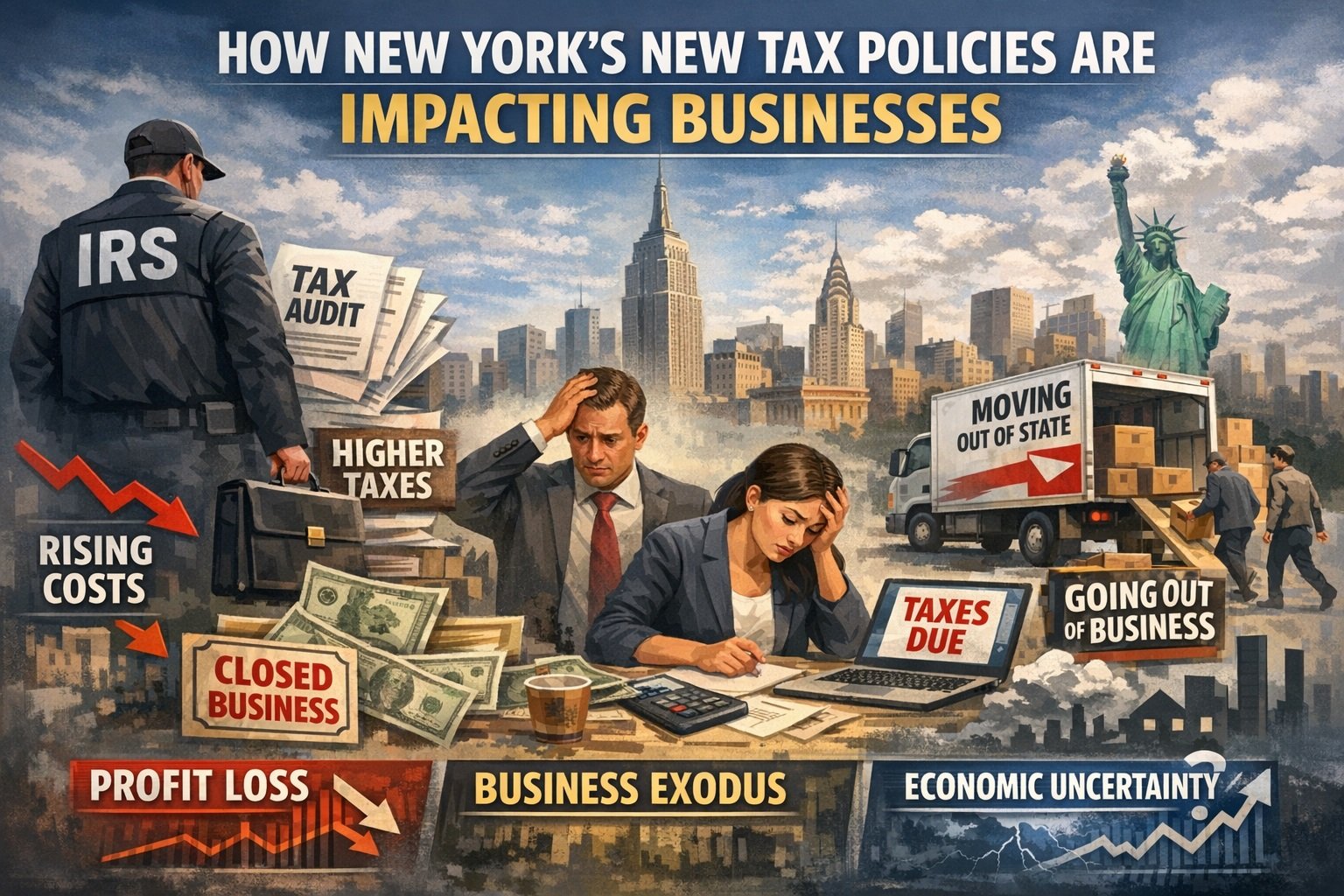
In 2026, New York has introduced a series of tax reforms that are reshaping the business landscape across the state. From small startups in Brooklyn to established corporations in Manhattan, these policy changes are influencing operational strategies, profitability, and long-term growth planning. Understanding these shifts is essential for business owners, investors, and policymakers who want to stay competitive in one of the world’s most dynamic economic hubs.
Overview of the 2026 Tax Reforms
The new tax policies introduced in New York focus on increasing state revenue while addressing economic inequality. Key changes include higher corporate tax rates for large enterprises, revised sales tax structures, and targeted tax credits aimed at supporting small businesses and green initiatives.
While these policies are designed to strengthen public infrastructure and social programs, they also bring new compliance challenges for businesses operating within the state.
Impact on Small Businesses
Small businesses are experiencing a mixed impact from the new tax regulations. On one hand, tax credits for local hiring and sustainability initiatives provide financial relief and encourage responsible business practices. On the other hand, increased reporting requirements and compliance costs are placing additional burdens on already resource-constrained businesses.
Entrepreneurs are now forced to spend more time on financial planning and less on growth-oriented activities. This shift could potentially slow down innovation in local markets.
Effect on Large Corporations
For large corporations, the increase in corporate tax rates is one of the most significant changes. Many companies are reevaluating their presence in New York, considering cost optimization strategies such as relocating certain operations or restructuring their business models.
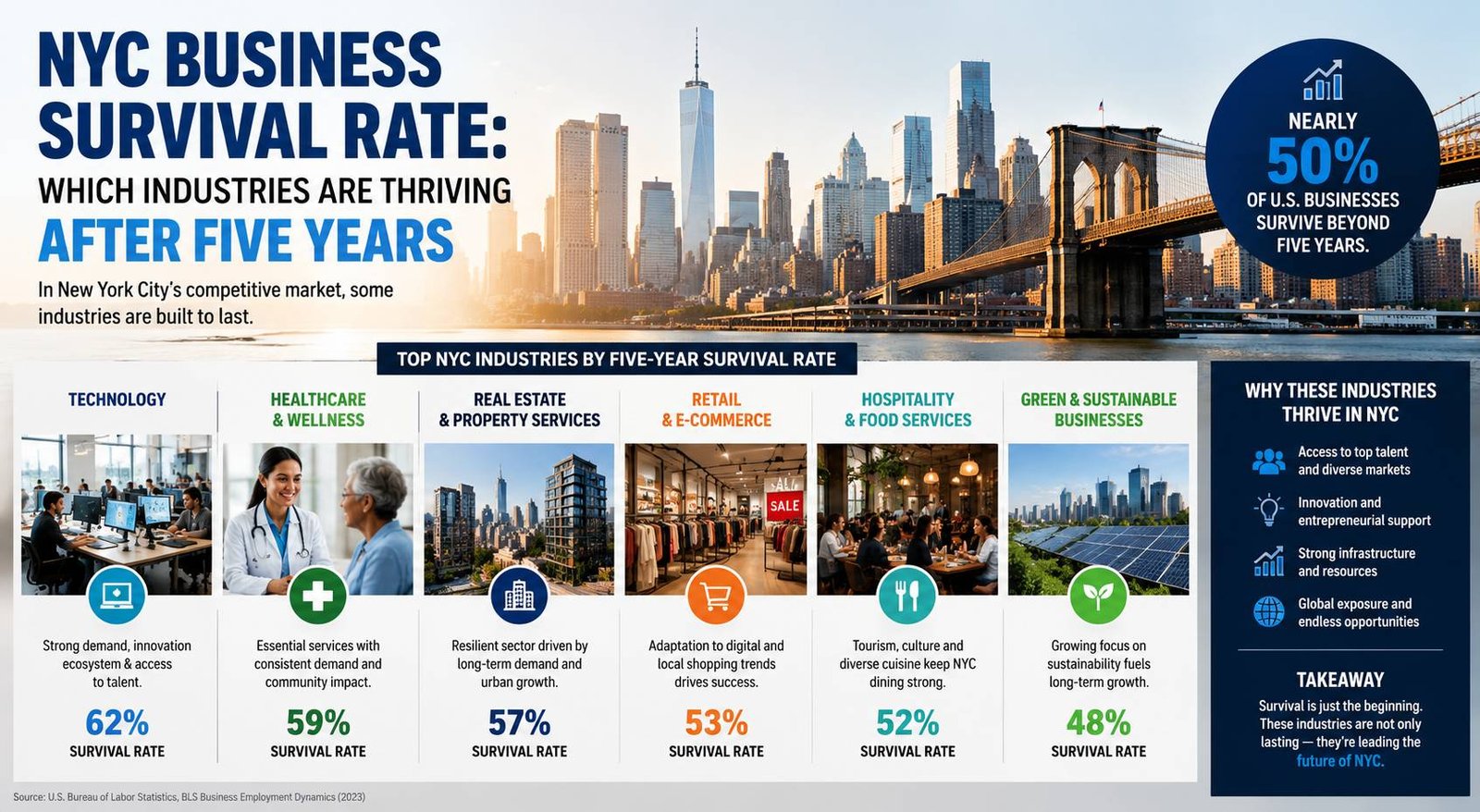
However, despite higher taxes, New York continues to attract major corporations due to its strong infrastructure, access to talent, and global business reputation.
Changes in Consumer Pricing
Another noticeable effect of the new tax policies is the impact on consumer pricing. Businesses facing higher tax liabilities are passing some of these costs onto customers. This has resulted in slight price increases across various industries, including retail, hospitality, and services.
Consumers are becoming more price-sensitive, which is forcing businesses to rethink their pricing strategies and value propositions.
Compliance and Administrative Challenges
The complexity of the new tax regulations has introduced additional compliance challenges. Businesses now need more robust accounting systems and professional guidance to navigate the evolving tax landscape.
For many companies, this means increased reliance on tax consultants and financial advisors, leading to higher operational costs. The administrative burden is particularly significant for mid-sized businesses that fall between small business support thresholds and large corporate resources.
Opportunities Amid Challenges
Despite the challenges, the new tax policies also present opportunities. Incentives for green energy adoption and local job creation are encouraging businesses to innovate and align with long-term sustainability goals.
Companies that adapt quickly to these changes can benefit from tax credits and enhanced brand reputation, positioning themselves as forward-thinking and socially responsible organizations.
Role of Market Awareness and Information
Staying informed is more important than ever in 2026. Reliable sources of business news new york updates are helping companies understand policy changes and adjust their strategies accordingly. Access to timely insights allows businesses to mitigate risks and capitalize on emerging opportunities.
Conclusion
New York’s tax policies in 2026 are creating a complex but manageable environment for businesses. While increased taxes and compliance requirements pose challenges, strategic planning and adaptability can help businesses thrive.
Ultimately, companies that embrace change, invest in efficient financial management, and stay informed will be better positioned to succeed in New York’s evolving economic landscape.